Academics Foundation • Adult • Child • Maternal • Community • Mental Health

Six learning areas that cover the whole of nursing practice

Website-ready introductions to the academic and practical learning areas represented in the B.Sc. Nursing curriculum at Dr. Kumaraswami Health Centre College of Nursing.

Each department teaches theory, laboratory and clinical practice

Every learning area combines classroom instruction with laboratory demonstration and supervised clinical experience, so students move from understanding to safe, confident practice.

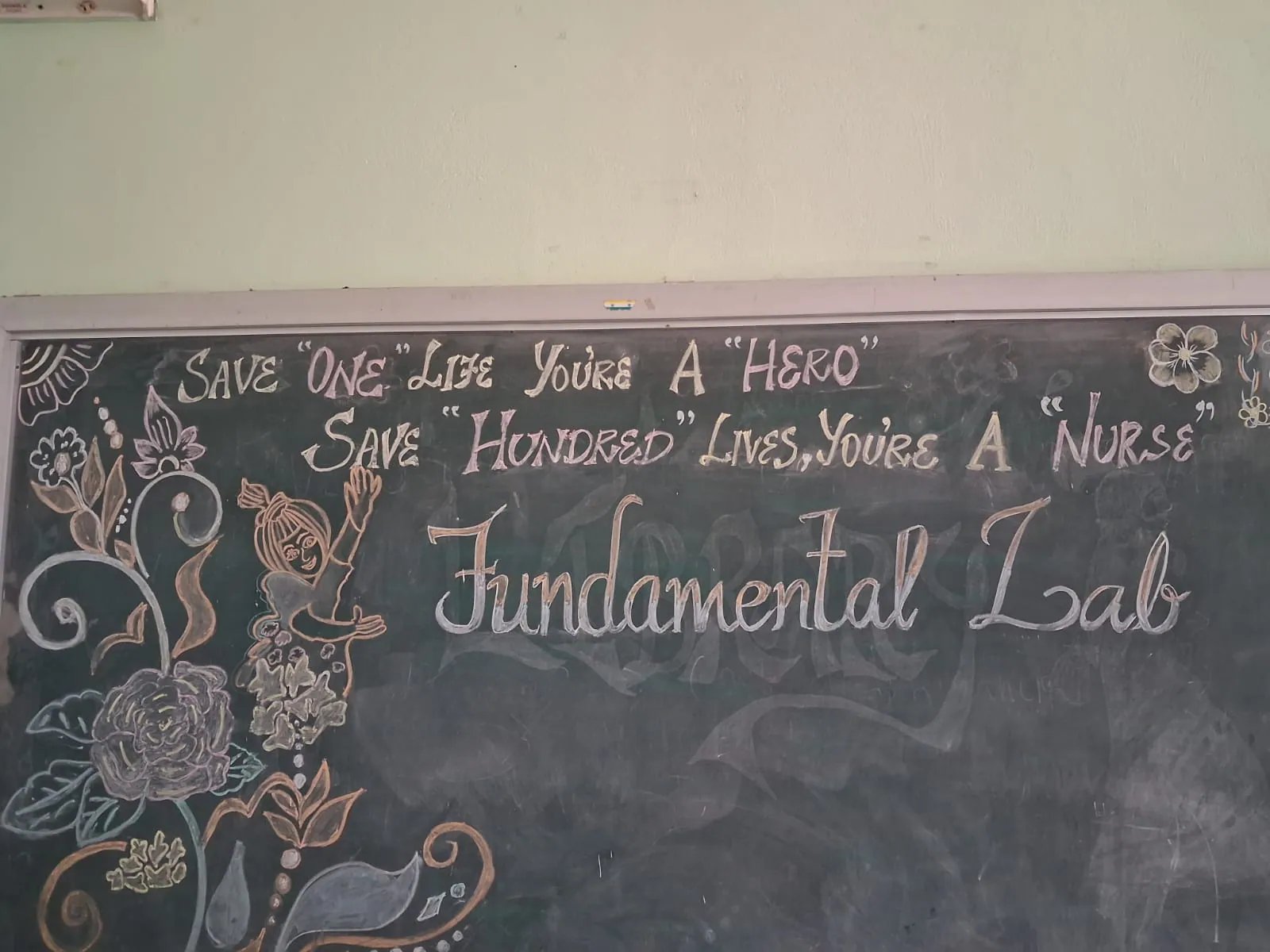
The Nursing Foundation laboratory, used for demonstrations Foundation
Department

Nursing Foundation

The Nursing Foundation learning area introduces students to the principles, values, procedures, communication methods, safety practices, and professional responsibilities that underpin nursing care. Laboratory demonstrations and supervised practice help students develop essential skills before applying them in clinical settings.

  • Principles, values and professional responsibility
  • Fundamental nursing procedures and patient safety
  • Communication methods and therapeutic relationships
  • Supervised skill practice before clinical postings
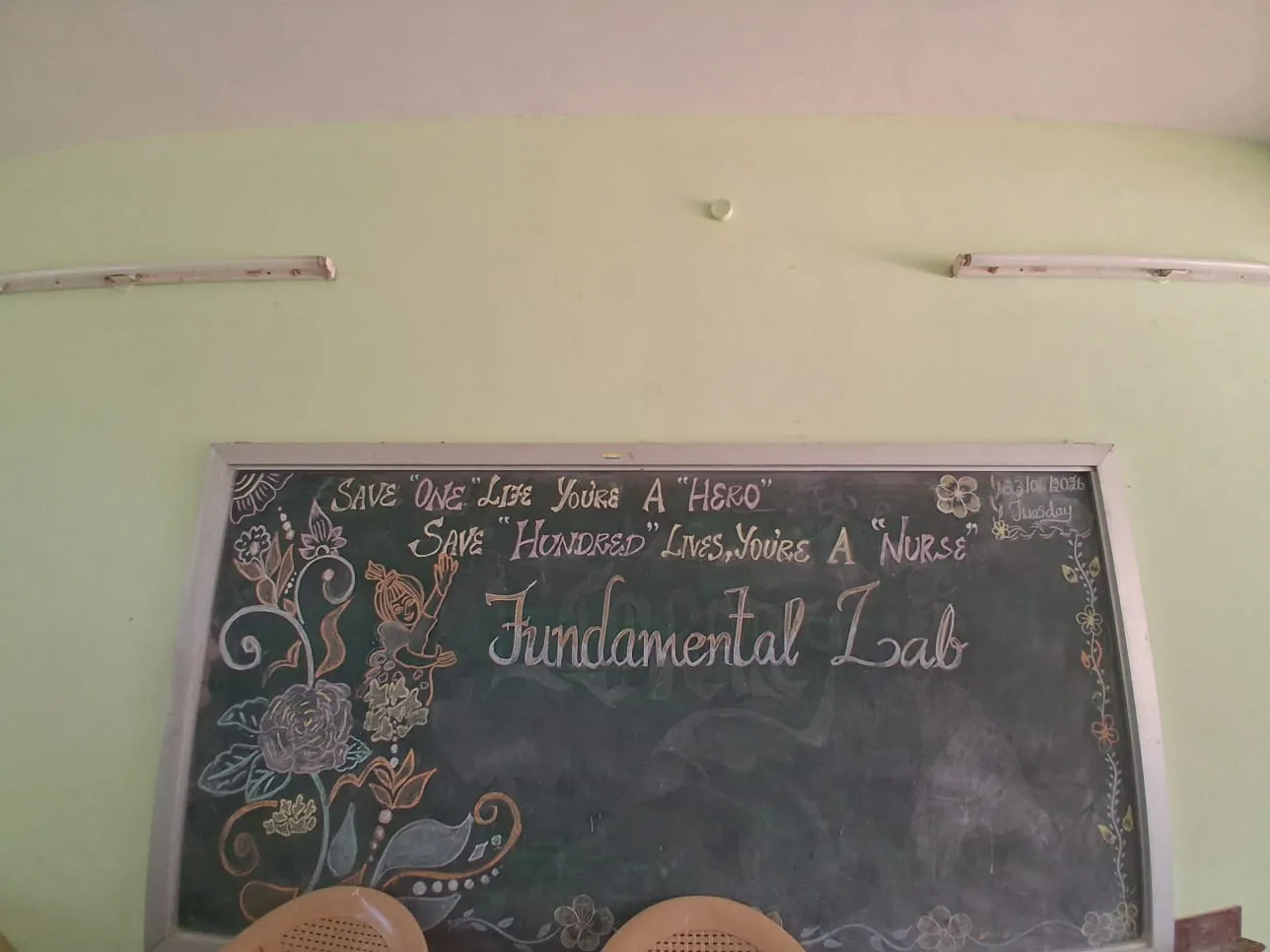
The Fundamental and Medical-Surgical Nursing laboratory Adult Care
Department

Medical-Surgical Nursing

Medical-Surgical Nursing focuses on the care of adult patients with health conditions managed medically, pharmacologically, or surgically. Students learn to assess patient needs, plan and deliver care, observe treatment responses, support recovery, and provide health education in varied clinical environments.

The department covers the diagnosis and treatment of human responses to actual or potential health problems, applied to both individuals and groups.

  • Care of adult patients across medical and surgical conditions
  • Assessment, care planning and evaluation of outcomes
  • Observation of treatment responses and recovery support
  • Patient and family health education
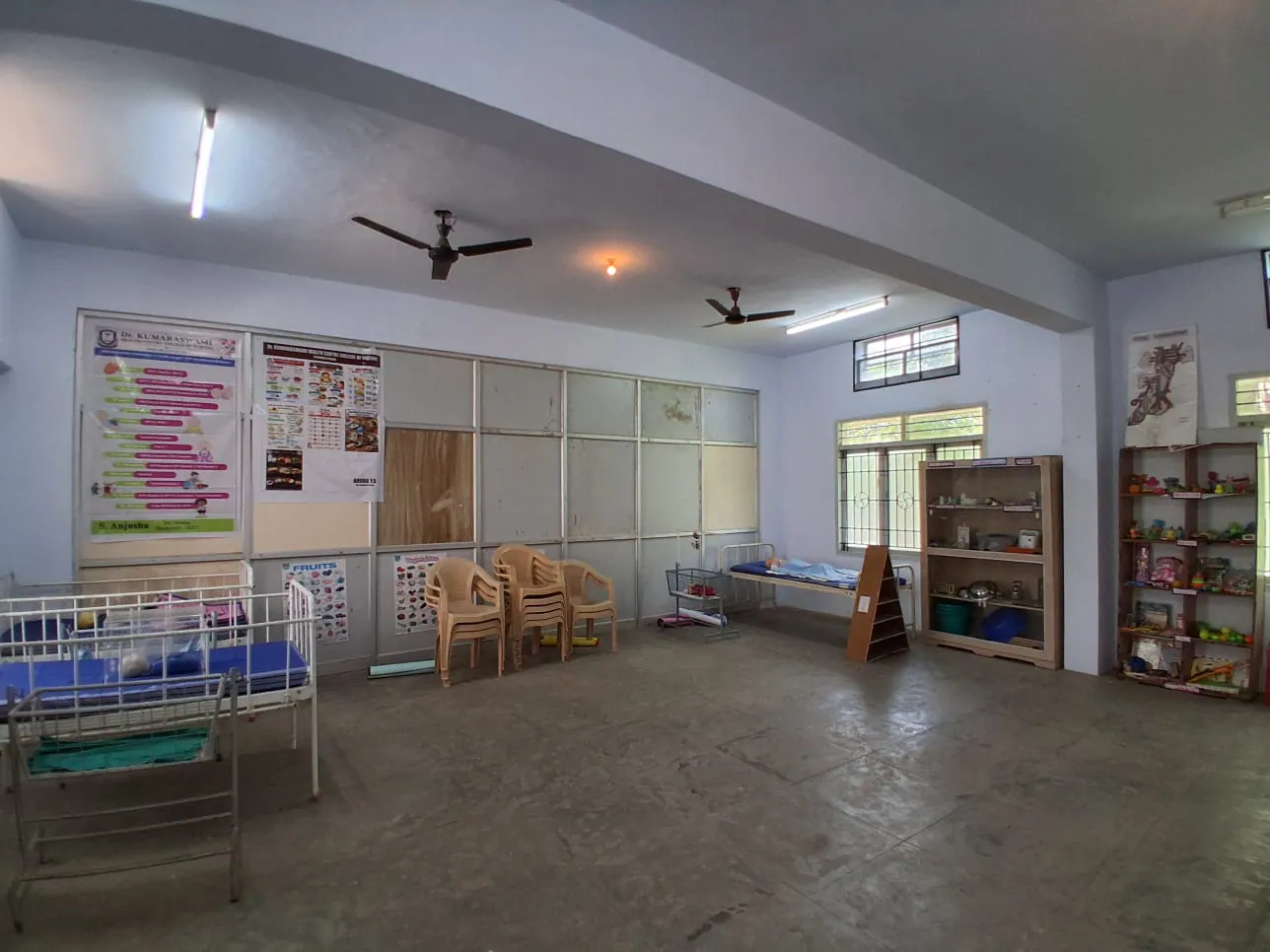
The Paediatric Nursing laboratory with practice beds and learning models Paediatrics
Department

Child Health Nursing

Child Health Nursing prepares students to understand growth, development, health promotion, illness prevention, and nursing care from the newborn period through childhood. Practical learning uses paediatric models and supervised clinical exposure to build confidence in safe, family-centred care.

The Paediatric Nursing laboratory is designed to help students develop an understanding of the modern approach to child care, and provides strong foundations for handling newborns and children with the help of manikins.

  • Growth, development and health promotion in childhood
  • Newborn care and paediatric nursing procedures
  • Manikin-based practice before clinical exposure
  • Family-centred and safe paediatric care
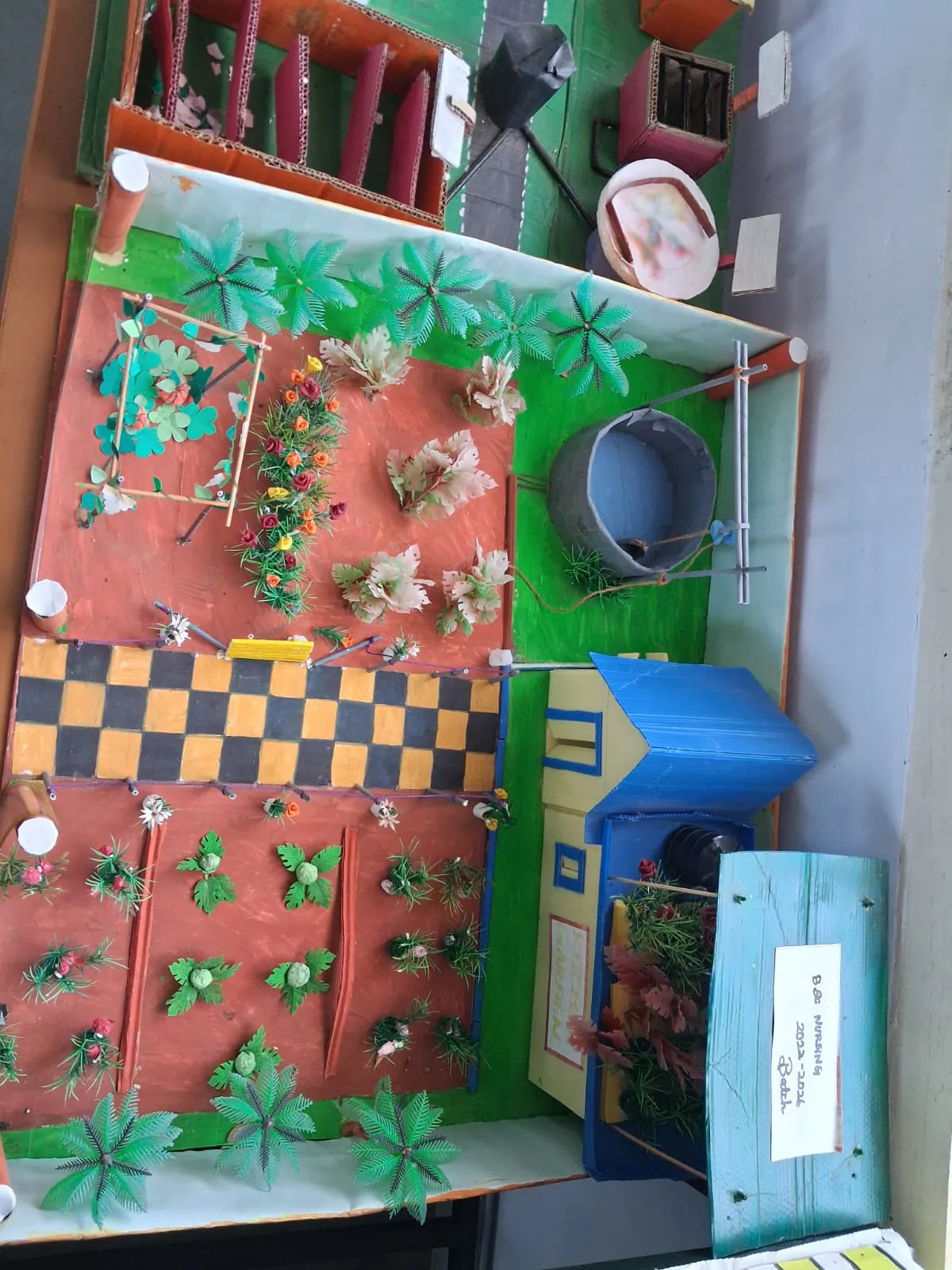
Student health-education project work displayed in the College Maternal Health
Department

Obstetrical and Gynaecological Nursing

This department supports theoretical and practical learning related to women’s health, pregnancy, childbirth, the postnatal period, and gynaecological care. Students develop knowledge and skills for respectful, safe, evidence-informed, and family-centred maternal care.

The Obstetrical and Gynaecological Nursing laboratory provides courses in obstetrical and gynaecological nursing with theoretical and practical components.

  • Antenatal, intranatal and postnatal nursing care
  • Newborn care in the maternity setting
  • Gynaecological nursing concepts and procedures
  • Respectful, evidence-informed maternal care
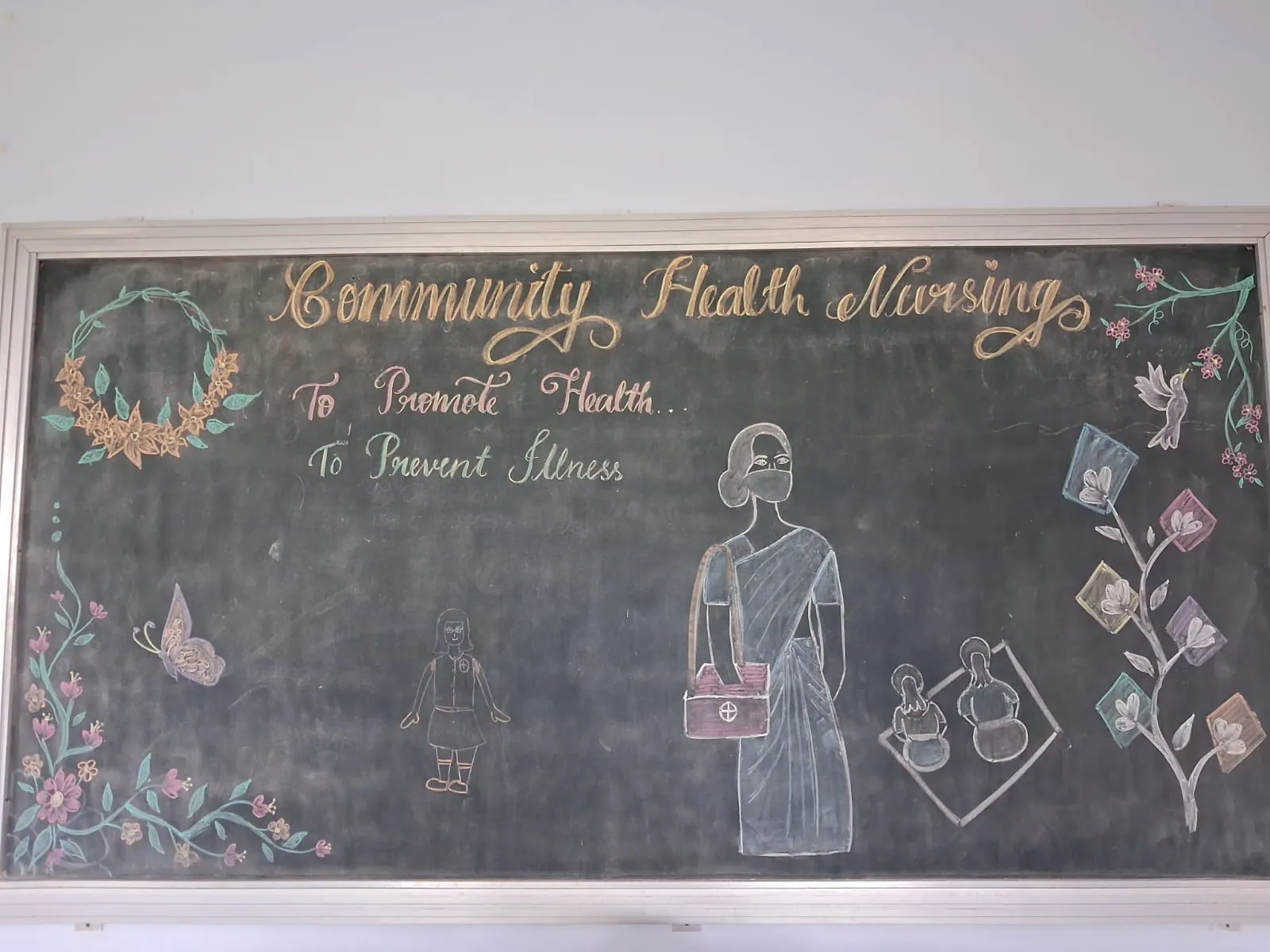
The Community Health Nursing laboratory teaching board Public Health
Department

Community Health Nursing

Community Health Nursing connects public-health concepts with care delivered in rural, urban, family, school, and community settings. Students participate in health education, community surveys, awareness programmes, preventive-care activities, and outreach experiences.

The Community Health Nursing Laboratory serves as a crucial bridge, connecting theoretical concepts of public health and community-based care with real-world application.

  • Family care and community assessment
  • Health education and awareness programmes
  • Community surveys and outreach planning
  • Rural and urban health service exposure
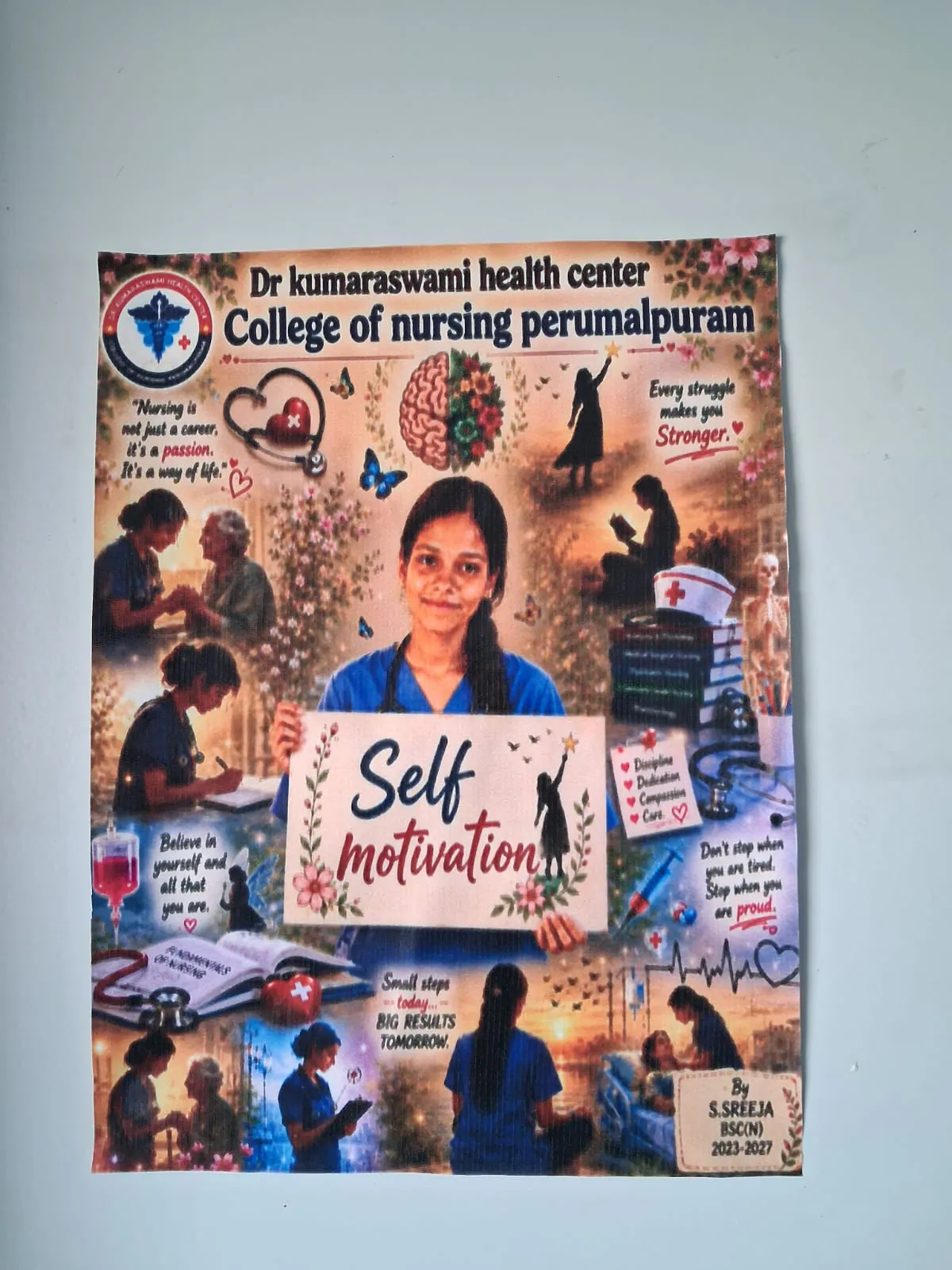
Mental health awareness project work prepared by nursing students Mental Wellbeing
Department

Mental Health Nursing

Mental Health Nursing helps students understand mental wellbeing, common mental-health concerns, therapeutic communication, prevention, early identification, supportive care, and the role of the nurse in multidisciplinary mental-health services.

The Mental Health Nursing laboratory helps students learn the modern approach to mental health, and the identification, prevention and management of common mental-health problems.

  • Mental wellbeing and common mental-health concerns
  • Therapeutic communication techniques
  • Prevention, early identification and supportive care
  • The nurse’s role in multidisciplinary teams

Experience behind each department

Faculty members are distributed across the specialties represented in the curriculum, with senior professors leading Mental Health, Medical-Surgical, Obstetrical and Gynaecological, and Child Health Nursing.

04

Mental Health Nursing

Led by the Principal and Vice Principal, with faculty experience of up to 22 years.

02

Medical-Surgical Nursing

A Professor and an Assistant Professor with 16 and 11 years of experience.

02

Child Health Nursing

An Assistant Professor and a Nursing Tutor supporting paediatric learning.

01

Obstetrical & Gynaecological Nursing

A Professor with 17 years of experience in maternal and women’s health.

10

Nursing (general education)

Ten Nursing Tutors supporting foundation teaching, laboratory work and clinical supervision.